
Road Roller Buying Mistakes That Can Cost Contractors Thousands
One wrong call on a roller purchase can haunt a contractor for years. The machine looks good on the lot, the price feels right, and the deal closes fast. Then the jobs start, and the mismatch shows up as failed compaction, stalled schedules, and repair bills that eat straight into your margin. A roller is a long-term investment, and the mistakes people make buying one tend to cost far more than the discount they chased.
Most buying errors don’t come from bad machines. They come from the wrong machine for the work in front of you. A quality roller matched poorly to your material, your jobs, or your budget still underperforms every single day it runs.
This guide walks through the three mistakes that drain contractors most: buying the wrong operating weight, ignoring drum type versus material, and shopping on sticker price instead of total cost of ownership. Avoid these, and your next roller pays for itself instead of bleeding you dry.
Buying the Wrong Operating Weight
Operating weight is the spec that determines whether your compaction delivers lasting results. Contractors often chase the biggest machine they can afford or choose the lightest one to reduce upfront costs, but both decisions can lead to poor performance when the machine’s weight doesn’t match the job. A roller that is too light may struggle to achieve the required density, while one that is too heavy can damage the surface or compact deeper than intended.
Selecting the right operating weight means balancing compaction force with the material and project requirements. When the machine is properly matched to the application, it achieves target density in fewer passes, reduces fuel consumption, minimizes unnecessary wear, and helps keep projects on schedule. The right weight isn’t about having more machines. It’s about having the machine that delivers the best results for the work at hand.
Buying Too Light for the Job
A roller that’s too light for your typical lifts firms up the surface while the layers underneath stay loose. The work passes a quick look, traffic rolls on, and months later the under-compacted base settles into ruts and cracks. That callback costs you the repair plus your reputation.
Contractors fall into this trap when they buy for the easiest job instead of the hardest one. A machine sized for thin driveway lifts can’t reach density on a road base or deep fill, so you end up making endless extra passes that still fall short. The fuel, labor, and time you burn trying to compensate outweigh whatever you saved on a smaller machine.
Before you buy, look at the heaviest, thickest compaction work you realistically expect to take on. Size the operating weight to reach full depth on those jobs with the specified passes, and the lighter work takes care of itself.
Buying Too Heavy and Overpaying
Oversizing is just as expensive, only in different ways. A roller far heavier than your work demands costs more up front, burns more fuel on every pass, and can crush aggregate or over-compact thin lifts into damage instead of density. You pay a premium to carry dead weight you never use.
Heavy machines also limit where you can work. A large single-drum roller can’t maneuver in tight residential zones, and its vibration may be off-limits near existing structures or utilities. Buy too big, and you shrink the range of jobs you can bid on while raising your operating costs on the ones you win.
Match the weight to the real span of your work, not the extreme edge of what you might one day tackle. A roller sized honestly to your job mix delivers density efficiently without punishing your fuel budget or your access.
Ignoring Drum Type Versus Material
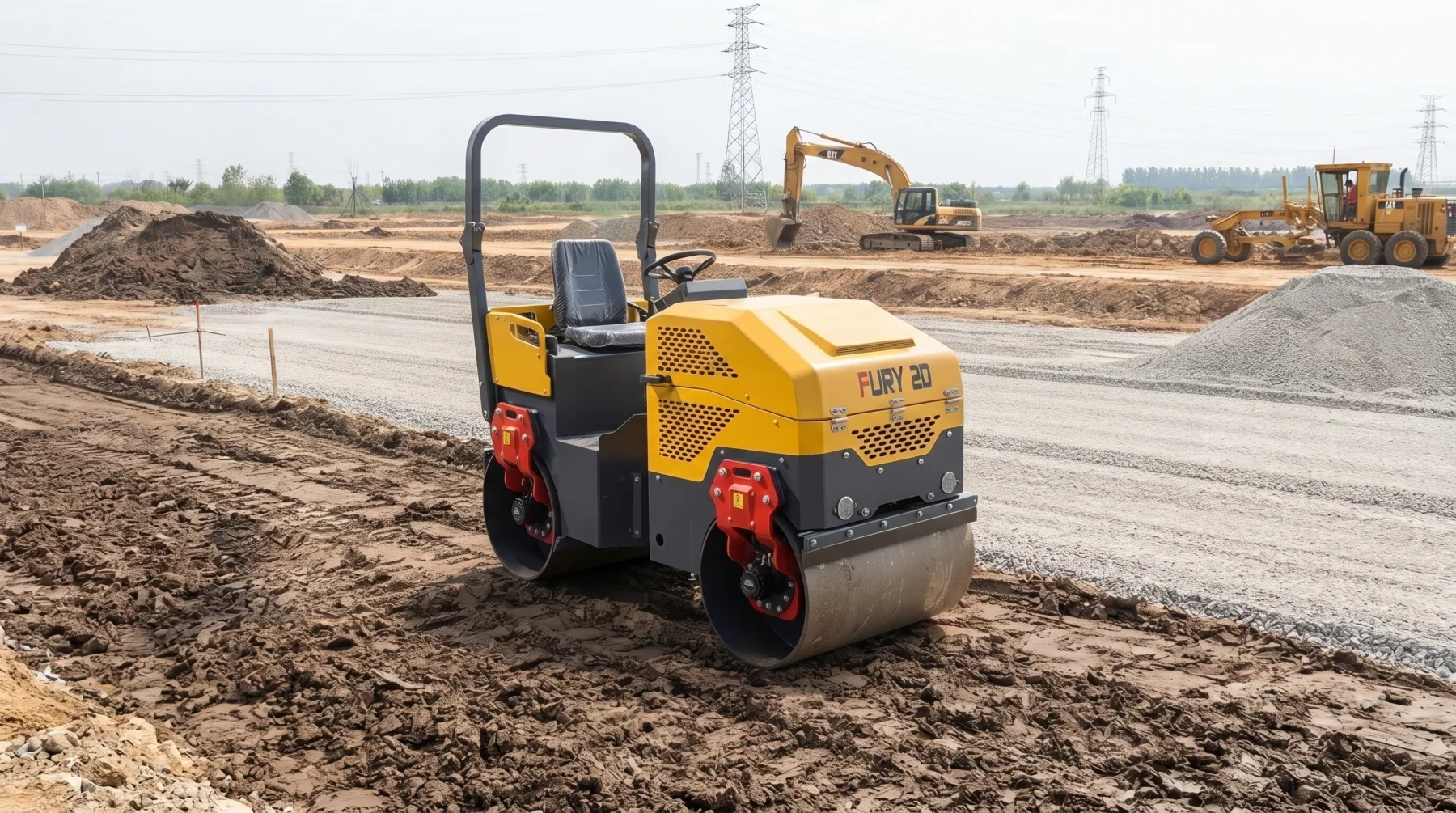
The drum is where the roller transfers its compaction force to the surface, making drum selection just as important as machine weight. Choosing the wrong drum type can reduce compaction quality, require additional passes, and limit the machine’s effectiveness on certain materials. A roller that performs well on one surface may produce poor results on another.
Matching the drum to the material helps the roller achieve the required density more efficiently while producing a smoother, more consistent finish. It also reduces the number of passes needed, lowers fuel consumption, and minimizes unnecessary wear on the machine. Taking the time to choose the right drum type ensures the roller performs as intended across different jobsite conditions and delivers reliable, long-lasting compaction results.
Smooth Drum on Cohesive Soil
Smooth-drum vibratory rollers excel on granular materials like sand, gravel, and asphalt, where vibration settles particles tightly together. Run that same smooth drum on heavy clay or silt, though, and it struggles. Cohesive soils need kneading and penetration, not just surface pressure, so a smooth drum tends to bridge over the top without driving density down into the layer.
Contractors who work mixed sites but buy only a smooth-drum machine end up frustrated on every clay job. They pile on passes, the density readings stay low, and the schedule slips. The drum simply isn’t built for the material.
If your work regularly includes cohesive soils, plan for a padfoot or sheepsfoot drum, or a machine that accepts a padfoot shell kit. Matching the drum to your most demanding material saves you from buying a second machine later to fix the first one’s blind spot.
Overlooking Vibration Control
Vibration is a tool, not an always-on setting, and buyers often ignore how much control they’ll actually need. A roller with fixed amplitude and no ability to shut vibration off becomes a liability on thin asphalt, near bridges, or beside buildings where shaking causes damage. You need to dial force to the material, not force one setting onto every job.
Contractors who skip this consideration discover the limit at the worst moment, standing next to a cracked mat or a nervous property owner. Adjustable amplitude and frequency let you tune depth and intensity, and static mode protects sensitive surfaces and nearby structures.
When you compare machines, weigh the vibration options as seriously as the weight and drum. The flexibility to control force is what lets one roller handle a wider, more profitable range of jobs safely.
Shopping on Price, Not Total Cost of Ownership
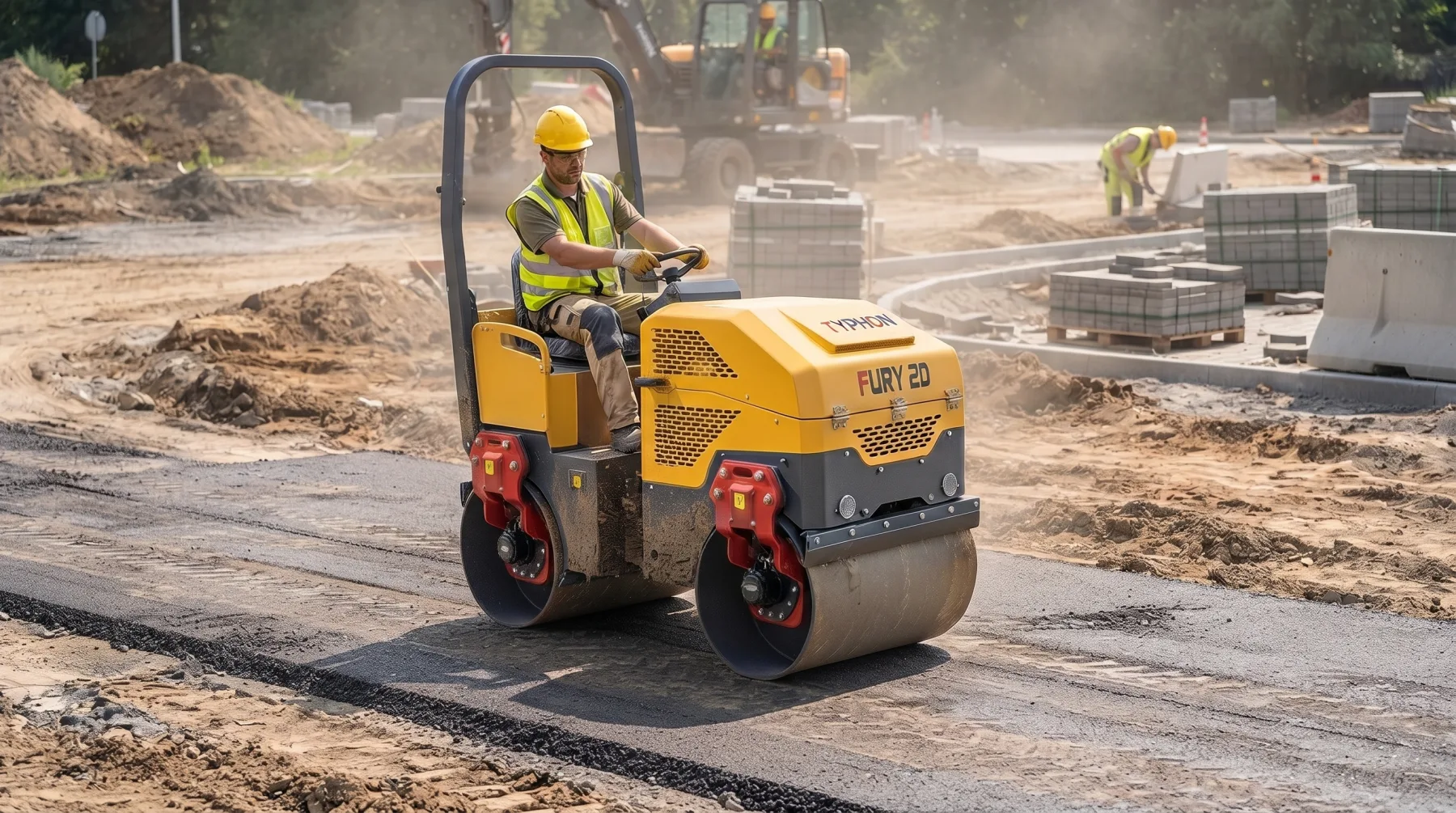
The sticker price is only a small part of what a roller will cost over its lifetime. Contractors who focus solely on the lowest purchase price often end up spending much more through higher fuel consumption, frequent repairs, unexpected downtime, and lower resale value. A cheaper machine can quickly become the more expensive option if it cannot deliver reliable performance.
Looking beyond the initial purchase price gives a clearer picture of the machine’s true value. Factors such as maintenance costs, parts availability, fuel efficiency, reliability, and long-term durability all affect the total cost of ownership. Investing in a roller that performs efficiently and holds its value can reduce operating expenses and provide a better return over years of use.
Underestimating Fuel, Service, and Downtime
A cheap machine with poor fuel efficiency quietly drains money on every shift, and over years of operation that gap dwarfs any up-front savings. Add hard-to-source parts, long service intervals, and a dealer network that can’t get you support fast, and a bargain roller turns into a schedule-wrecking liability.
Downtime is the hidden killer. When a roller sits waiting on parts, the whole compaction phase stalls, your crew stands idle, and penalties can stack up on a deadline job. A machine that costs a little more but runs reliably and gets serviced quickly protects the schedules your entire business depends on. Worker safety also rides on well-maintained equipment; the Occupational Safety and Health Administration (OSHA) ties proper equipment upkeep directly to preventing jobsite injuries, and a neglected bargain machine works against both your budget and your crew.
Before you sign, price out fuel consumption, routine service costs, parts availability, and local dealer support. Those ongoing numbers tell you far more about the real cost than the figure on the tag.
Forgetting Resale and Warranty Value
A roller’s story doesn’t end when you’re done with it. Machines from strong brands with solid service histories hold their value and sell quickly when you upgrade, while an off-brand bargain can be hard to move and fetch little in return. That resale gap is real money you either recover or forfeit.
Warranty coverage matters just as much. A thin or short warranty leaves you exposed to major repair bills early in the machine’s life, right when you’re still paying it off. Contractors who overlook these terms often learn the hard way that the cheapest purchase carried the weakest protection.
Factor resale strength and warranty into the buying decision from the start. A machine that costs slightly more but holds its value and covers you against failures is almost always the better financial call across its full life.
Conclusion
The contractors who avoid these mistakes tend to think past the purchase and picture the roller three, five, even seven years down the road. They ask how it will perform on the hardest job they’ll take, how it will hold up under real service demands, and what it will be worth when the time comes to move on. That longer view is what separates a smart purchase from an expensive lesson.
So before your next roller decision, slow down long enough to line up the machine with the work you actually do. Look honestly at your material mix, your typical lifts, your access constraints, and the true cost of running the machine over its whole life. The extra hour of homework up front tends to save you thousands over the years you’ll own it.
Get that match right, and a road roller stops being a risk on your balance sheet and starts being one of the most dependable tools in your fleet. The best machine for you isn’t the cheapest deal or the biggest one on the lot. It’s the one built to handle your jobs, backed by support you can count on, that keeps earning its keep long after the purchase is behind you.