
How Hopper Design from Dumper Machine Influences Material Unloading
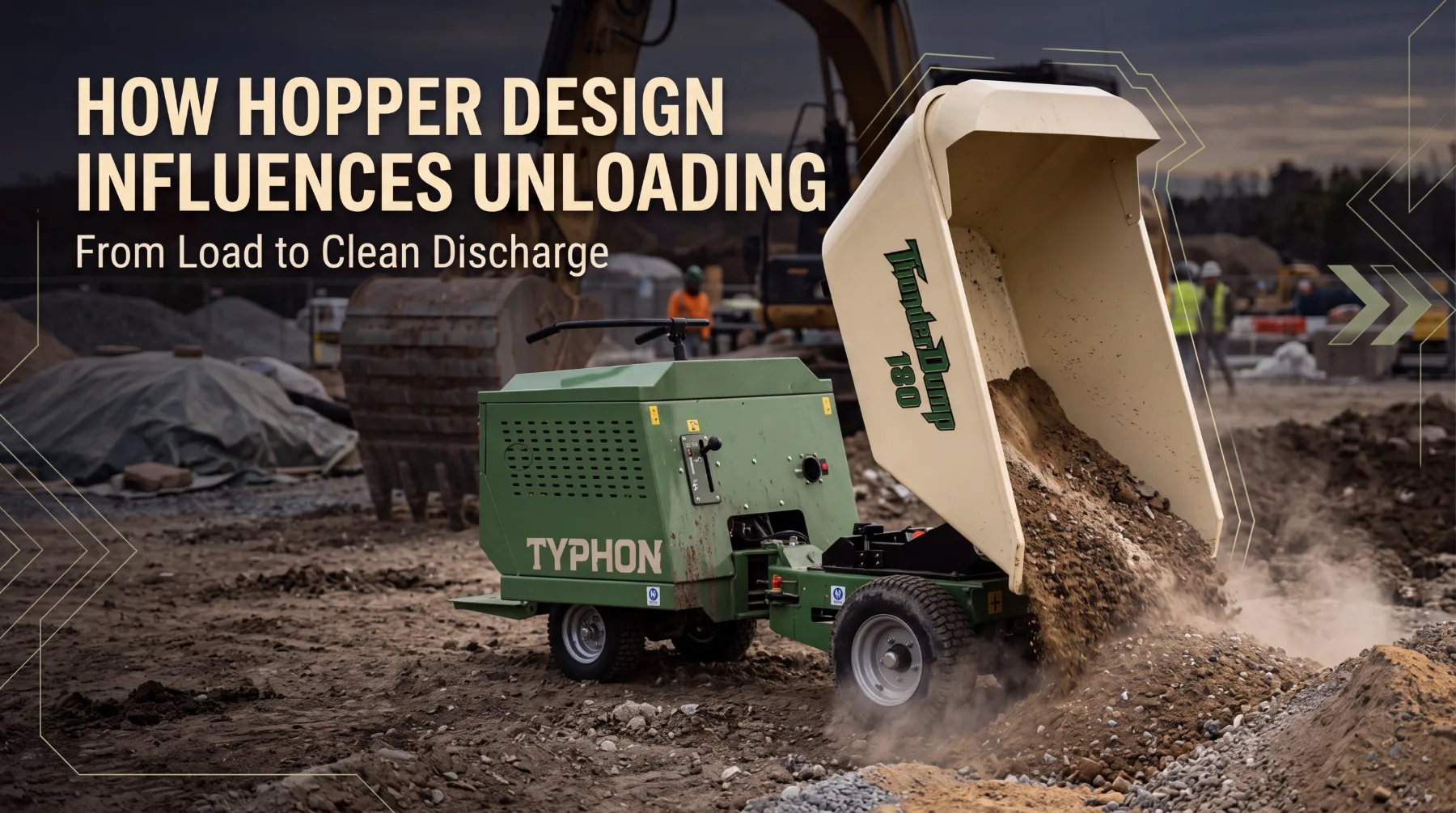
The hopper is the working heart of any dumper machine, and its design does far more than simply hold material. Every curve, angle, and opening shapes how efficiently soil, gravel, sand, and rubble move from the load bed to the ground when the job calls for a clean discharge. Operators who understand these design factors get better results, faster cycle times, and safer operation across the worksite.
This blog breaks down five key aspects of hopper design and explains how each one influences the unloading process. From the internal shape that guides material flow to the geometry that keeps the machine stable while raised, you will see how thoughtful engineering translates directly into reliable, everyday performance.
Hopper Shape and Material Flow
The internal shape and profile of a dumper hopper play a decisive role in how easily material travels toward the discharge point. When soil, gravel, or other loose materials are loaded in, gravity and the hopper walls work together to guide that material toward the opening during unloading. A hopper with smooth, sloped surfaces and a well-considered internal profile encourages material to keep moving rather than clinging to corners or flat spots. This matters because different materials behave differently. Wet clay tends to stick and bridge, dry sand flows freely, and mixed rubble can wedge into awkward pockets if the shape does not account for it.
A well-designed hopper reduces material buildup during unloading, which is one of the most common frustrations operators face. Buildup slows the cycle, leaves material behind that must be cleared by hand, and can throw off the next load. Rounded transitions between the floor and walls help prevent material from packing into tight seams, while a steeper internal slope near the discharge end keeps the flow steady as the hopper empties.
Several shape-related features contribute to smoother material flow:
- Sloped floors and walls that channel material toward the opening rather than trapping it in flat corners
- Rounded internal transitions that stop sticky materials from bridging or packing into seams
- A tapered profile near the discharge point that maintains momentum as the load empties out
When these elements come together, the result is a hopper that unloads more completely and more predictably. Operators spend less time coaxing stubborn material loose and more time moving to the next task. Consistent flow also protects the machine from the uneven stresses that occur when material shifts suddenly or releases all at once, supporting a controlled and dependable unloading experience shift after shift.
Hopper Capacity and Load Distribution
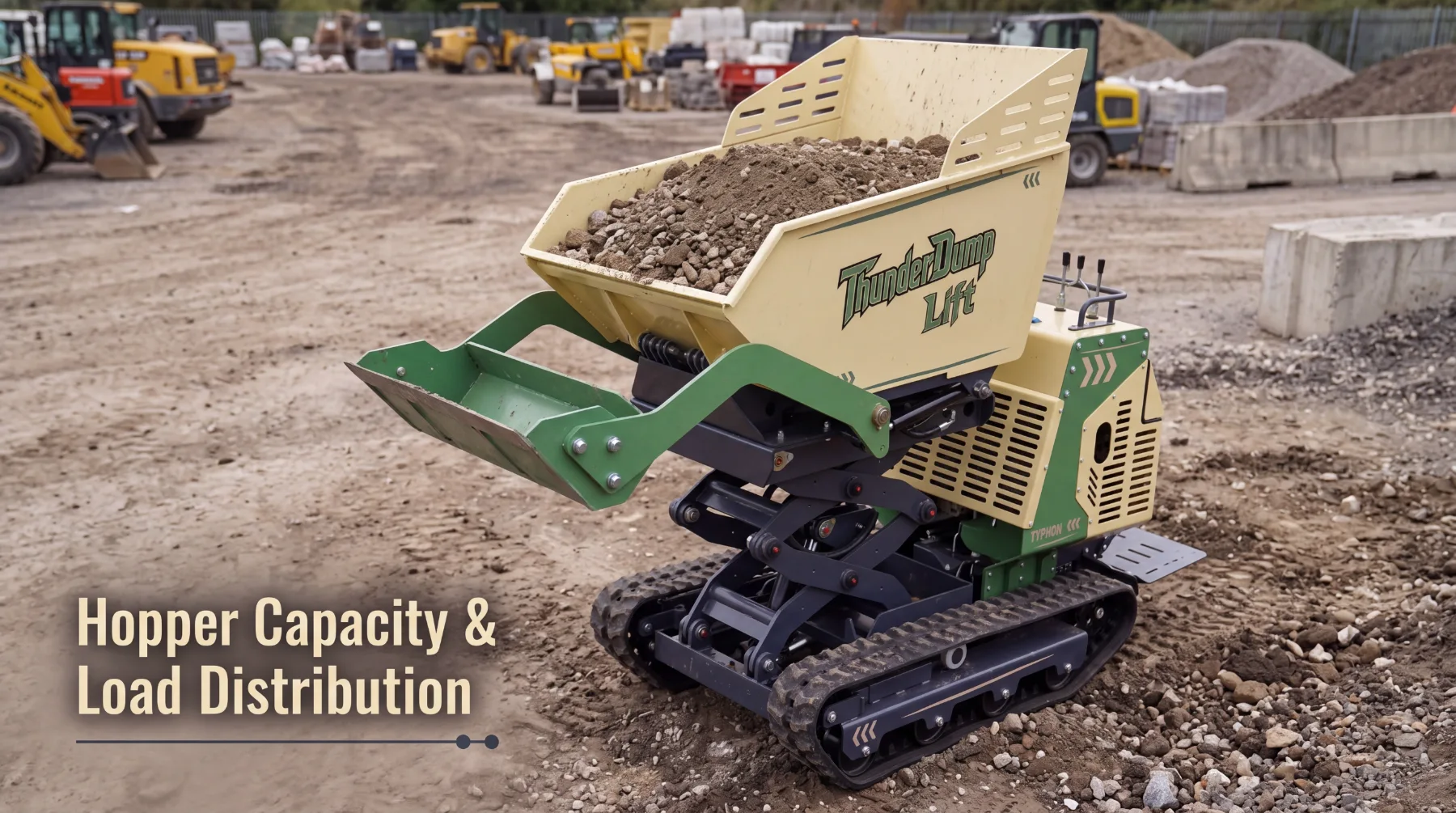
Hopper size determines how much material a dumper can carry in a single trip, and that carrying capacity has a direct effect on productivity. A larger hopper moves more soil or aggregate per cycle, reducing the number of trips needed to clear a site or feed a project. Yet capacity is never a matter of simply making the hopper as big as possible. The design must balance useful volume against the machine’s weight limits, stability, and overall operating envelope. A hopper that carries more than the dumper can safely manage puts strain on the drivetrain, the hydraulics, and the operator, undermining the very efficiency it was meant to deliver.
Load distribution is the other half of this equation. How material sits within the hopper affects how weight transfers to the tracks or wheels, which in turn influences traction, steering, and balance on uneven ground. A well-designed hopper positions the load so that weight is spread appropriately across the machine, keeping the center of gravity where it belongs. This becomes especially important on slopes, soft terrain, or tight sites where a poorly balanced load could compromise control.
Good capacity-focused design keeps several priorities in view at once:
- Matching volume to the machine’s rated payload so the hopper is never routinely overloaded
- Positioning the load to maintain a stable center of gravity during travel and unloading
- Respecting operating limits including hydraulic lifting force and terrain conditions
The goal is a hopper that delivers meaningful carrying capacity without sacrificing the stability and durability that make a dumper trustworthy. When size and load distribution are engineered in harmony, operators get a machine that hauls efficiently, handles predictably, and holds up over the long term. This balance is what separates a capable dumper from one that simply looks large on paper but struggles under real working conditions.
Dumping Angle and Clearance
The hopper’s lifting range and dumping angle determine how completely material can be discharged, and this is where design has a very visible impact on daily work. When the hopper tilts, gravity pulls the load toward the opening. A greater dumping angle steepens that slope, encouraging material to slide out fully rather than settling into a heap that remains in the bed. For sticky or heavy materials, a generous angle can be the difference between a clean release and a hopper that needs manual clearing after every cycle.
Clearance works alongside the dumping angle to define where and how material can be deposited. The lifting height and the reach of the hopper at full tilt decide whether an operator can unload onto a tall pile, over the edge of a trench, or into the bed of another machine. Insufficient clearance forces the operator to get uncomfortably close to the target, while ample clearance opens up more placement options and keeps the workflow flexible.
The dumping angle and clearance combine to serve a range of common unloading scenarios. When building or topping off a stockpile, a steep angle and good height let material cascade cleanly onto the pile. When backfilling a trench, controlled clearance allows precise placement without the dumper edging too near the excavation. When transferring material into a crusher, conveyor, or hauler, adequate reach and tilt ensure the load drops where it is needed rather than spilling short.
A hopper designed with a strong dumping angle and sensible clearance gives operators the confidence to unload completely and accurately in varied situations. It reduces the leftover material that eats into productivity and minimizes the awkward repositioning that slows a job down. The result is faster, cleaner discharge that adapts to whatever the site demands, whether that is a simple dump on open ground or a careful transfer into waiting equipment.
Tailgate and Discharge Opening
The tailgate and discharge opening govern how material actually leaves the hopper, making them central to unloading control. The tailgate acts as a gate that holds material securely during transport and then releases it during discharge. Its design, whether it swings open, drops down, or lifts away, influences how freely material can exit and how much control the operator has over that release. A well-engineered tailgate opens smoothly and gets out of the way, allowing the load to flow without obstruction while still sealing reliably when closed.
The size and shape of the discharge opening determine both unloading speed and material placement. A wide opening lets material pour out quickly, which suits large-volume jobs where speed matters most. A more measured opening can meter the flow, giving the operator finer control when depositing material into a narrow trench or a specific spot. The interplay between the tailgate action and the opening dimensions shapes the entire character of the discharge, from a rapid full dump to a careful, targeted release.
This design also helps manage where material ends up. A discharge opening positioned and shaped to direct the flow makes it easier to place material precisely, reducing spillage and cleanup. That precision protects surrounding areas, keeps the site tidy, and ensures material lands where the work requires it. Combined with the hopper’s shape and dumping angle, the tailgate and opening complete the path that material follows from load bed to ground.
When these components are designed to work together, unloading becomes both faster and more controlled. Operators can trust the tailgate to hold securely on the move and release cleanly on command, while the opening delivers material at the right pace and in the right place. This reliability is what makes a dumper genuinely productive, turning each discharge into a quick, controlled step rather than a task that demands constant correction or manual cleanup afterward.
Stability During Unloading
Stability while the hopper is raised is one of the most important outcomes of good design, and it draws on several factors working together. Hopper geometry, load position, and the motion of the lifting system all contribute to how steady the machine remains during discharge. When the hopper tilts and rises, the center of gravity shifts, and a well-designed system anticipates that shift to keep the dumper balanced. Poor geometry or an unpredictable load can cause the machine to feel unstable at exactly the moment when control matters most.
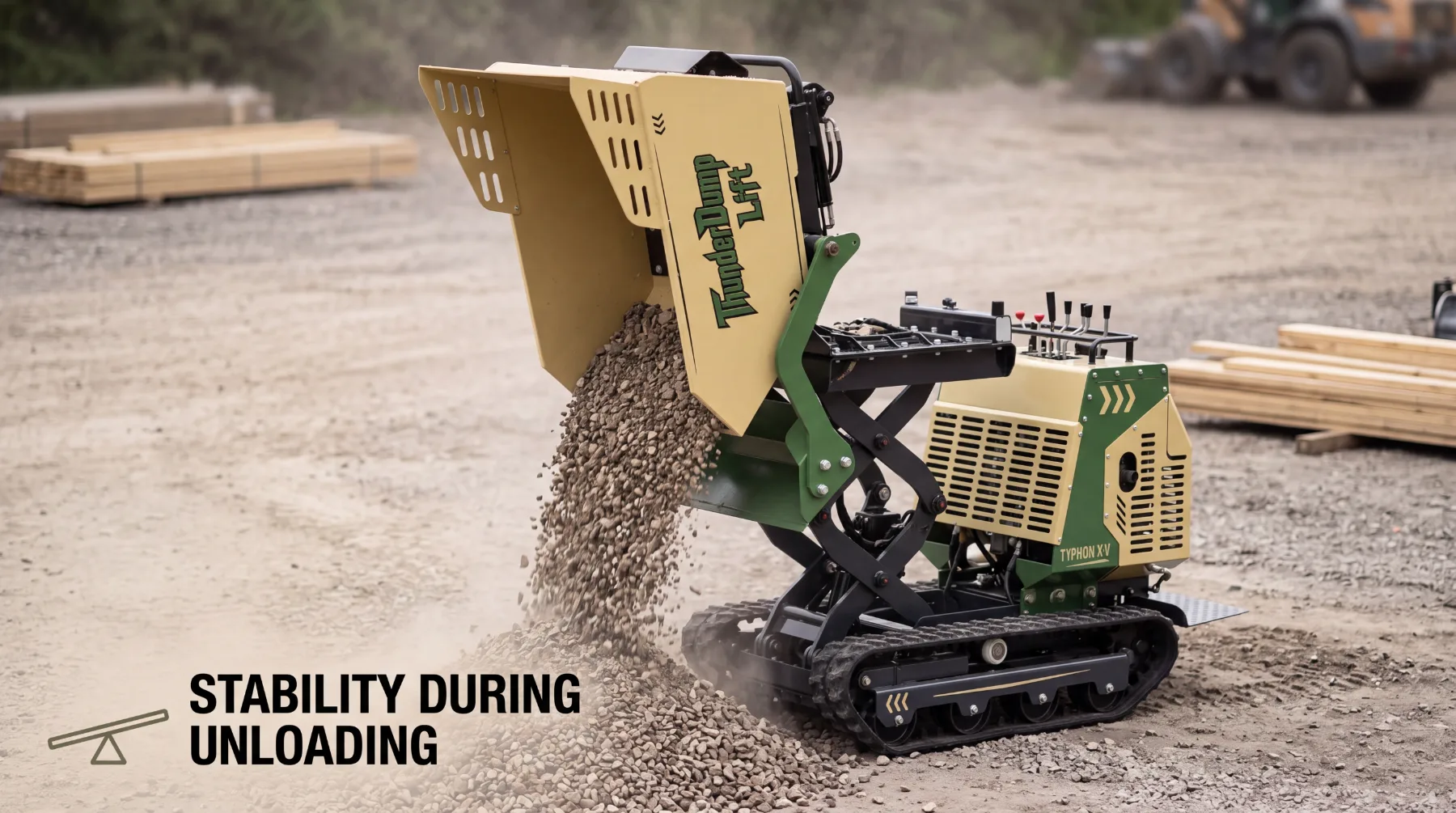
Load position plays a large part in this balance. Material that sits evenly and toward the appropriate part of the hopper transfers weight in a controlled way as the hopper lifts. As the load begins to slide out, the changing distribution should remain manageable rather than causing a sudden lurch. The lifting movement itself needs to be smooth and progressive, so that material releases gradually and the machine settles predictably throughout the cycle rather than jolting as the load lets go.
Ground conditions remain essential to safe unloading regardless of how well the hopper is designed. A properly engineered system helps maintain a controlled process, but it depends on suitable, stable ground beneath the machine. Operators support this by choosing firm, level footing before raising the hopper and by avoiding slopes or soft spots that could compromise balance. Design and operating practice work hand in hand here, each reinforcing the other.
When hopper geometry, load handling, and lifting action are all considered together, the dumper delivers a controlled and confident unloading experience. The machine stays planted, the material releases in an orderly way, and the operator retains command from start to finish. This kind of stability is not an accident. It is the product of careful design that respects the physics of a raised, shifting load and gives operators a dependable machine they can rely on across demanding conditions.
Conclusion
Hopper design shapes every stage of the unloading process, from the moment material begins to move toward the opening to the instant the last of the load clears the bed. The internal shape guides flow and limits buildup, capacity and load distribution balance productivity with stability, and the dumping angle and clearance decide how completely and precisely material can be placed. The tailgate and discharge opening control the pace and direction of the release, while sound geometry and smooth lifting keep the machine steady throughout.
Understanding these design factors helps operators get the most from their equipment and appreciate why a well-engineered hopper makes such a difference on the job. A dumper built with these principles in mind unloads faster, more cleanly, and more safely, delivering the dependable performance that demanding worksites require day after day.
Frequently Asked Questions
- Why does material sometimes stick inside the hopper during unloading?
Material sticking or building up during unloading usually comes down to a combination of the hopper’s internal shape and the type of material being handled. Wet clay, damp soil, and fine mixed rubble tend to cling to flat surfaces and pack into corners or seams where the floor meets the walls. A hopper with sloped surfaces, rounded internal transitions, and a tapered profile near the discharge point encourages material to keep moving toward the opening rather than settling into trouble spots. If buildup is a recurring issue, it is worth checking that the load is not overly wet, that the dumping angle is sufficient, and that the internal surfaces are free of dents or residue that could interrupt flow. Good hopper geometry does much of the work here, but material condition and proper operation both contribute to a clean, complete discharge. - How does hopper size affect the stability of a dumper machine?
Hopper size influences stability because it determines how much weight the machine carries and how that weight is distributed. A larger hopper can hold more material, but if it routinely carries loads beyond the dumper’s rated payload, it strains the machine and raises the center of gravity in ways that can compromise balance, especially on slopes or soft ground. Effective design matches hopper volume to the machine’s operating limits and positions the load so weight transfers appropriately to the tracks or wheels. This keeps the center of gravity where it belongs during both travel and unloading. The goal is a hopper that offers genuinely useful capacity without pushing past the point where stability, traction, and control begin to suffer. Respecting the rated payload and loading the hopper evenly are the best ways to keep the machine steady and predictable. - What is the benefit of a greater dumping angle?
A greater dumping angle steepens the slope inside the hopper when it tilts, which helps material slide out more completely under the pull of gravity. This is particularly valuable when handling heavy or sticky materials that might otherwise settle into a heap and remain in the bed after a shallow tilt. A generous dumping angle reduces the leftover material that operators would need to clear by hand, speeding up each cycle and improving overall efficiency. It also supports a wider range of unloading tasks, from cascading material onto a stockpile to releasing a full load cleanly into another machine. When paired with adequate lifting clearance, a strong dumping angle gives operators the confidence that each discharge will empty the hopper fully, which keeps the workflow moving and minimizes wasted effort. - How do the tailgate and discharge opening affect unloading speed and placement?
The tailgate and discharge opening together control how material exits the hopper, which directly shapes both how fast it unloads and where it lands. The tailgate holds material securely during transport and then releases it during discharge, and its opening action determines how freely the load can flow. A wide discharge opening allows material to pour out quickly for high-volume work, while a more controlled opening meters the flow for precise placement into a trench or a specific spot. The shape and position of the opening also help direct material where it needs to go, reducing spillage and cleanup around the site. When the tailgate and opening are designed to work in harmony, operators gain the ability to choose between a fast full dump and a careful, targeted release, adapting the discharge to whatever the task requires. - What can operators do to ensure stable unloading on the worksite?
Even a well-designed hopper depends on sound operating practice to unload safely, and stability starts with the ground beneath the machine. Operators should choose firm, level footing before raising the hopper and avoid slopes, soft spots, or uneven surfaces that could throw off balance while the load is elevated. Loading the hopper evenly helps weight transfer smoothly as the hopper lifts and material begins to slide out, preventing sudden shifts. A gradual, controlled lifting movement allows the load to release progressively rather than all at once, keeping the machine settled throughout the cycle. Combining good hopper geometry with these habits gives the best results. The design provides a stable foundation, and careful operation on suitable ground completes it, allowing operators to discharge material with confidence and maintain full control from the start of the lift to the moment the load clears.