
How Cooling Capacity Affects Mini Excavator Engine Selection
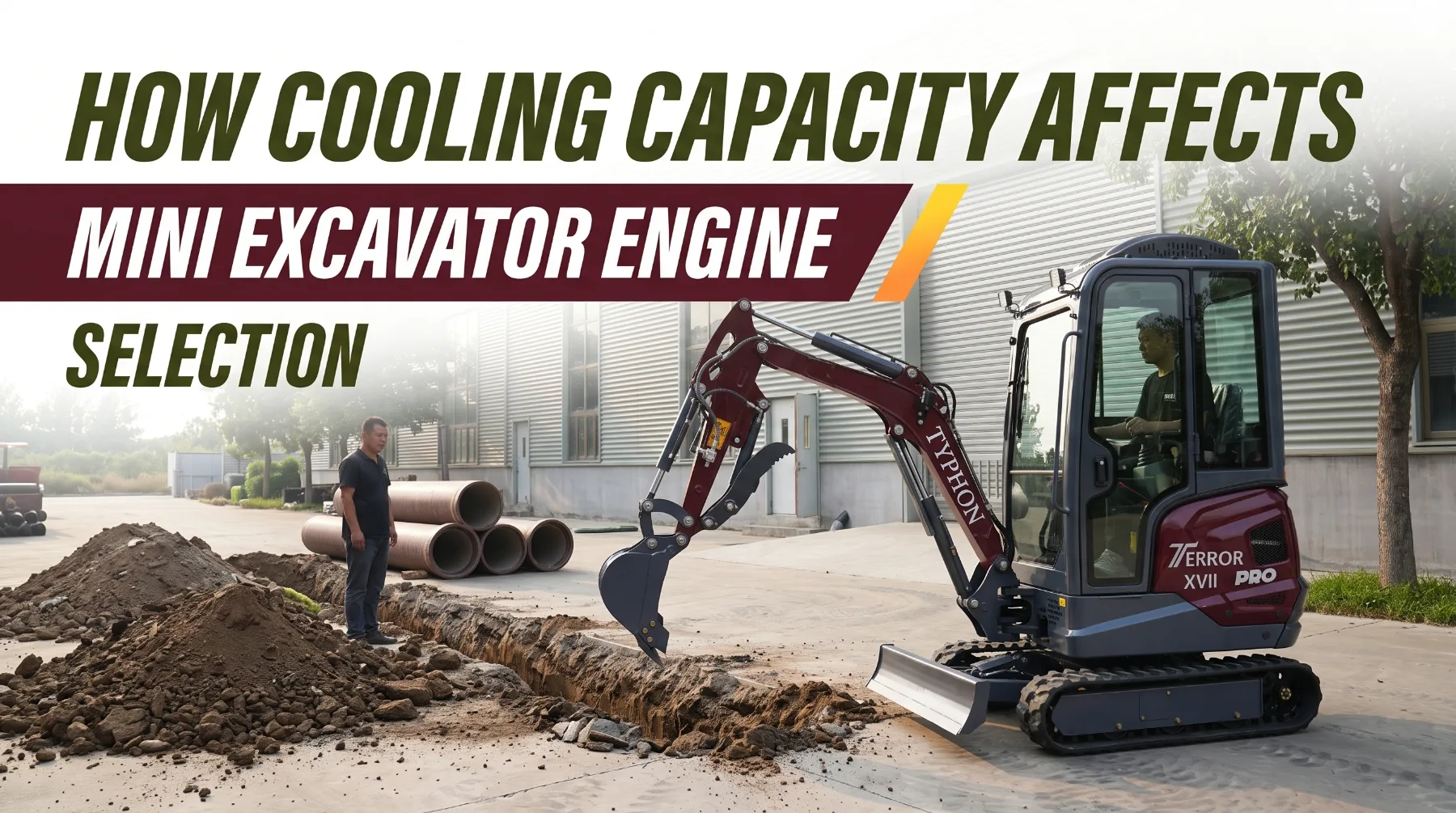
Choosing a mini excavator engine involves more than horsepower numbers on a spec sheet. Heat is the silent factor that decides whether that power holds up through a full shift. A mini excavator generates heat constantly during digging, travel, and hydraulic work, and the cooling system is what keeps that heat under control. When cooling capacity falls short, even a strong engine can overheat, lose performance, or shut down at the worst possible moment. This guide walks you through why cooling capacity matters, how to match it to engine output, how it behaves under heavy workloads, and what to weigh when selecting the right engine for your machine and your jobsite.
Why Engine Cooling Capacity Matters
Every mini excavator engine produces heat as a byproduct of doing work. Combustion, friction, and the load placed on the hydraulic system all convert energy into thermal buildup. During a tough digging cycle, a long travel across a site, or sustained high hydraulic demand, that heat climbs quickly. Cooling capacity is what allows the engine to shed this heat and hold a suitable operating temperature, even when the machine is working hard.
Operating temperature is not a minor detail. An engine is engineered to run efficiently within a specific temperature band. When it stays inside that band, combustion is cleaner, lubrication works as intended, and components wear at a predictable rate. When temperatures push past that range, the picture changes fast.
Insufficient cooling can lead to several problems worth avoiding:
- Reduced power output as the engine derates to protect itself
- Accelerated wear on seals, gaskets, and internal components
- Oil breakdown that weakens lubrication and cooling from within
- Unplanned shutdowns that stall progress and cost billable hours
For a compact machine, this matters even more. Mini excavators pack their engine, radiator, and hydraulics into a tight envelope, so there is limited room for airflow and heat dissipation. That constraint makes cooling capacity a genuine performance factor rather than an afterthought. A well-sized cooling system protects the investment you make in the engine itself, keeping the machine dependable through demanding work cycles. When you understand cooling as a core part of engine health, you start to see it as the foundation that lets horsepower actually reach the ground.
Matching Cooling Capacity to Engine Output
Horsepower and cooling capacity are two sides of the same equation. As engine output rises, so does the amount of heat produced under load. A higher-horsepower engine working through dense clay or rock generates more thermal energy than a smaller unit handling light tasks. That is why cooling capacity deserves a seat at the table during engine selection, not a review after the decision is already made.
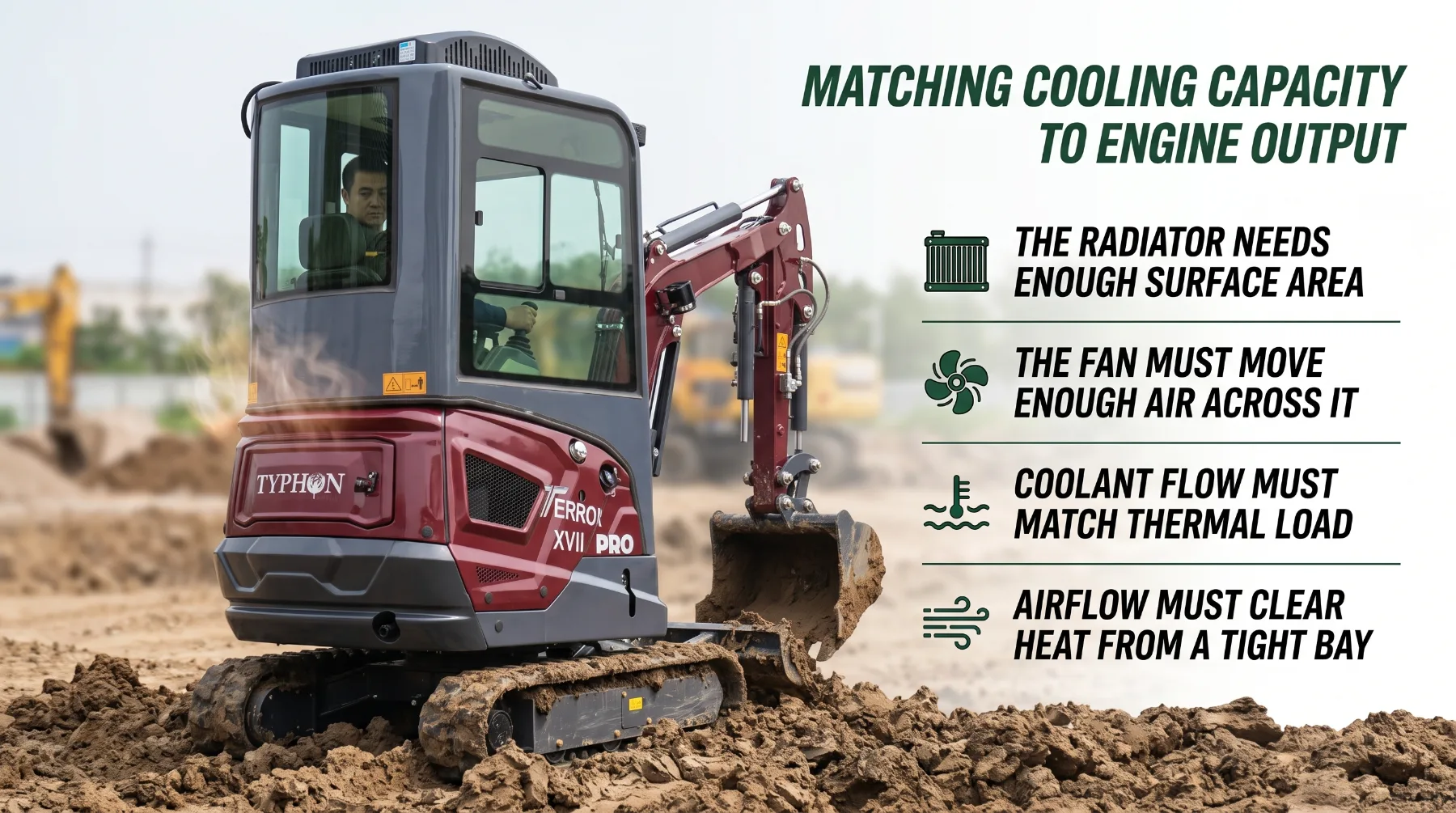
The cooling system is not a single part but a coordinated group of components that must work together. Each element needs to be sized for the engine it serves:
- The radiator must offer enough surface area to release the heat the engine creates
- The fan must move sufficient air across the radiator to carry heat away
- The coolant flow must circulate at a rate matched to the engine’s thermal load
- The overall airflow path must clear heat from the compact engine bay effectively
When these components are properly matched to the engine’s power requirements, the machine holds a stable temperature across its full range of work. When they are mismatched, problems appear. An undersized cooling system paired with a powerful engine will struggle during peak demand, forcing the engine to run hotter than intended.
The reverse balance matters too. An engine and cooling system designed as a coordinated package tend to deliver the most reliable results, because the manufacturer has already tuned the relationship between power and heat rejection. When you evaluate a mini excavator, look at the engine and cooling system as a single unit rather than separate features. A machine that matches its cooling capacity to its output gives you confidence that the rated power will remain available even when the work heats up and conditions push the engine toward its limits.
Cooling Performance Under Heavy Workloads
Real jobsites rarely offer light, intermittent duty. Mini excavators often face continuous digging, sustained hydraulic demand, and long hours in punishing conditions. These heavy workloads are exactly when the cooling system earns its keep, and they reveal whether the machine was specified with enough thermal headroom.
Consider a machine trenching through compacted ground for hours in midsummer heat. The engine is under near-constant load, the hydraulics are working hard to drive the digging force, and the ambient air temperature is already high. Each of these factors adds to the heat the cooling system must remove, and they stack on top of one another rather than taking turns. Several conditions raise the pressure on cooling performance:
- Continuous digging cycles that keep the engine near peak load
- High hydraulic demand from heavy breakout force or dual-action attachments
- Hot climates or enclosed work areas that reduce the cooling effect of ambient air
- Dusty environments that can clog radiators and restrict airflow over time
Sufficient cooling capacity helps the engine maintain consistent performance across these extended sessions. Rather than derating power to protect itself, an adequately cooled engine keeps delivering the output the operator needs, cycle after cycle. This consistency is what allows a crew to plan their day around steady productivity instead of forced cooldown breaks.
There is also a maintenance dimension here. Heavy workloads in dusty or debris-heavy settings can gradually restrict airflow, so cooling performance depends partly on keeping radiators and screens clean. A machine with generous cooling capacity offers a buffer that tolerates real-world grime better than a system running at its absolute limit. When you expect demanding, all-day use, choosing an engine backed by robust cooling gives you the margin to work through the toughest conditions without interruption.
Cooling System and Machine Efficiency
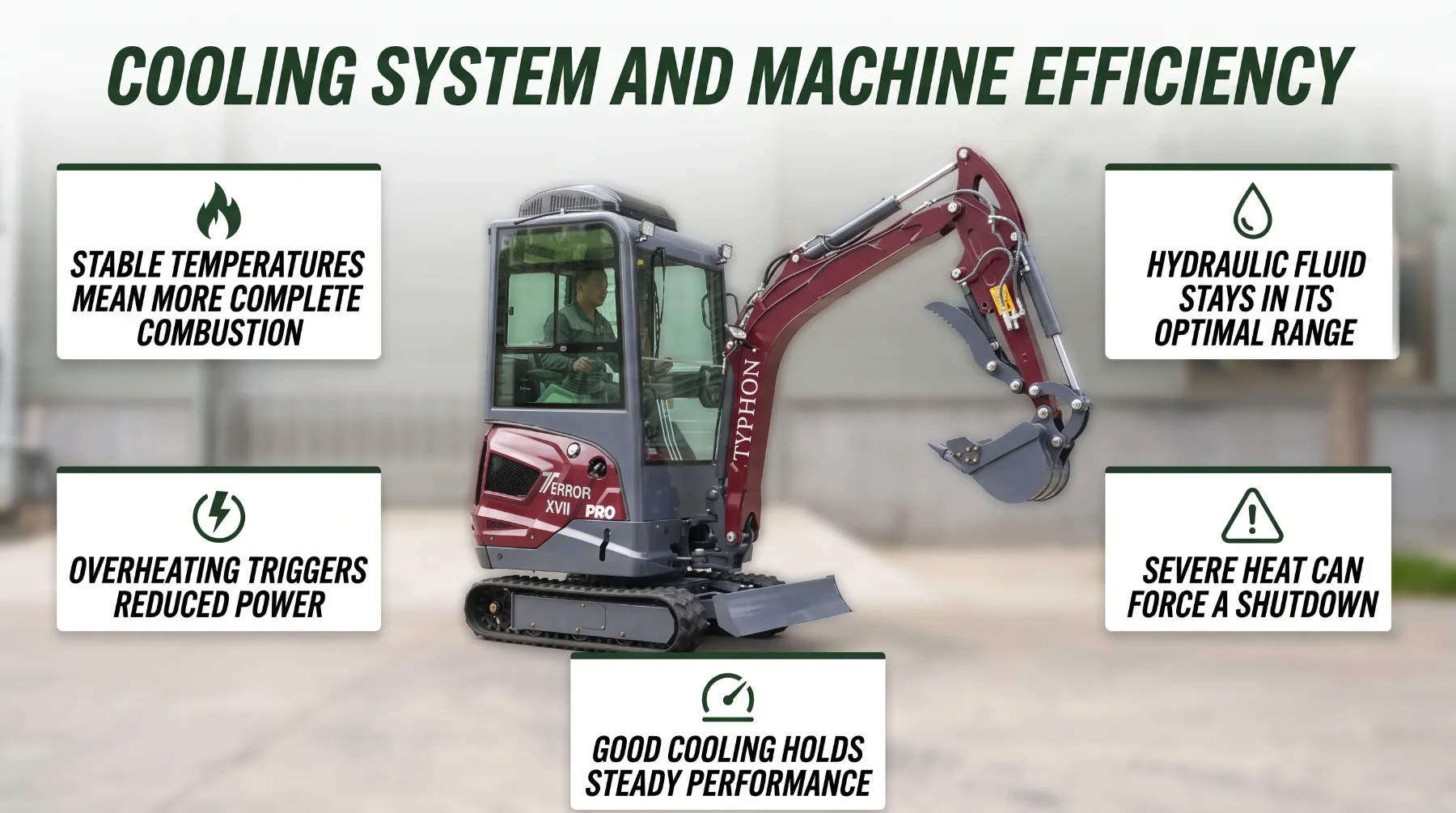
Efficiency and temperature are closely linked in any diesel-powered machine. An engine that runs within its intended temperature range simply performs better. Combustion is more complete, hydraulic fluid stays within its optimal viscosity window, and the machine avoids the stop-start rhythm that heat-related interruptions create. In practical terms, good cooling translates into smoother, more predictable output over a full workday.
When an engine overheats, the machine often responds by protecting itself, and that protection comes at the cost of productivity. Power may be reduced, warning systems may activate, and in severe cases the engine may shut down entirely. Each of these events breaks the flow of work and chips away at the efficiency you paid for. A properly cooled engine sidesteps these disruptions and holds a steady level of performance.
Cooling also influences the machine’s fluids, which quietly affect efficiency behind the scenes. Coolant that manages heat well helps engine oil retain its protective properties, and stable engine temperatures support consistent hydraulic fluid behavior. When fluids stay in their ideal ranges, the entire system operates with less internal resistance and more reliable actuation.
For these reasons, cooling performance belongs in the same conversation as horsepower and hydraulic capability. It is tempting to focus only on peak power figures, but peak power means little if the engine cannot sustain it without overheating. A machine that pairs strong output with capable cooling delivers usable, dependable performance across the whole shift. When you weigh one mini excavator against another, treat cooling as part of the efficiency equation. The machine that manages heat well is the machine that keeps working when others slow down, and that reliability is where real jobsite value comes from.
Choosing the Right Engine for the Excavator
Selecting the right engine means looking at the complete picture rather than a single number. Horsepower tells you what the machine can produce, but cooling capacity, operating conditions, hydraulic demand, and expected workload tell you whether it can produce it reliably. The goal is a well-matched engine and cooling system that supports steady performance across the applications you actually face.
Start by defining how and where the machine will work. A unit that spends its days on light residential grading has very different needs from one running continuous excavation in a hot, dusty quarry. Weighing the following factors helps you land on the right choice:
- Horsepower appropriate for your typical digging and lifting demands
- Cooling capacity sized to match that horsepower and your climate
- Operating conditions including ambient heat, dust, and workspace confinement
- Hydraulic demand from attachments and heavy breakout requirements
- Expected workload across a typical shift, from intermittent to continuous duty
Once you understand these needs, evaluate candidate machines as complete engine-and-cooling packages. A reputable manufacturer designs these systems to complement each other, so a well-engineered mini excavator should already balance power against heat rejection. Ask how the cooling system performs in high ambient temperatures and how easily the radiators can be accessed for cleaning, since serviceability protects long-term cooling performance.
Think also about the future. If your workload is likely to grow more demanding, choosing an engine with cooling headroom gives you room to expand into tougher jobs without straining the machine. A well-matched engine and cooling system delivers reliable performance across different jobsite applications, protects your investment, and keeps your crew productive. Make cooling a deliberate part of the selection process, and you set the machine up to perform the way you expect for years of hard work.
Conclusion
Cooling capacity is not a side feature on a mini excavator; it is the factor that decides whether an engine’s rated power holds up under real work. A machine generates heat during every dig, every travel cycle, and every hydraulic demand, and the cooling system determines how well it copes. When you match cooling capacity to horsepower, account for your operating conditions, and plan for heavy workloads, you get an engine that performs consistently instead of derating or shutting down when the pressure rises.
To make a confident choice, start by mapping your typical workload and climate, then evaluate each mini excavator as a combined engine-and-cooling package rather than a horsepower figure alone. Ask about cooling performance in high heat, check how easily the radiators can be cleaned, and favor a machine with enough thermal headroom for the toughest jobs you expect. Treat cooling as a core selection factor, and you invest in reliability, efficiency, and dependable output that keeps your projects moving.
Frequently Asked Questions
- What happens if a mini excavator’s cooling capacity is too small for its engine?
An undersized cooling system struggles to remove the heat a powerful engine produces under load. The engine runs hotter than intended, which can trigger power derating, activate warning systems, or cause shutdowns to protect internal components. Over time, sustained high temperatures accelerate wear on seals and gaskets and can break down engine oil. The result is reduced productivity and higher maintenance costs, which is why cooling capacity should be matched to engine output from the start. - Does a higher-horsepower engine always need a larger cooling system?
Generally, yes. Higher-horsepower engines produce more heat under load, so they require greater cooling capacity to maintain a safe operating temperature. That usually means a larger radiator, stronger airflow from the fan, and adequate coolant circulation. Reputable manufacturers design the cooling system to match the engine’s output, so a well-engineered machine balances the two. When comparing models, look at the engine and cooling system together rather than judging horsepower on its own. - How do hot or dusty jobsites affect cooling performance?
Hot ambient air reduces the temperature difference between the engine and its surroundings, making it harder for the radiator to shed heat. Dust and debris compound the problem by clogging radiator fins and screens, which restricts airflow over time. Both conditions push the cooling system to work harder. Machines used in these environments benefit from generous cooling capacity and easy radiator access, since regular cleaning keeps airflow clear and helps maintain consistent performance. - Can I improve cooling performance through maintenance?
Absolutely. Much of a cooling system’s real-world performance depends on upkeep. Keeping radiators and cooling screens clean preserves airflow, and maintaining the correct coolant level and mixture ensures effective heat transfer. Inspecting the fan, belts, and hoses helps you catch problems before they cause overheating. Regular maintenance cannot expand a system’s designed capacity, but it ensures the machine delivers the full cooling performance it was built to provide. - Why should cooling capacity be considered alongside hydraulic demand?
Hydraulic work is a major source of heat in a mini excavator. Heavy breakout force, continuous digging, and dual-action attachments all place high demand on the hydraulic system, and that demand translates into additional thermal load on the engine and coolant. If cooling capacity only accounts for engine output and ignores hydraulic demand, the machine can overheat during intensive tasks. Considering both together ensures the cooling system can handle the machine’s true combined workload.